Clearing the ground
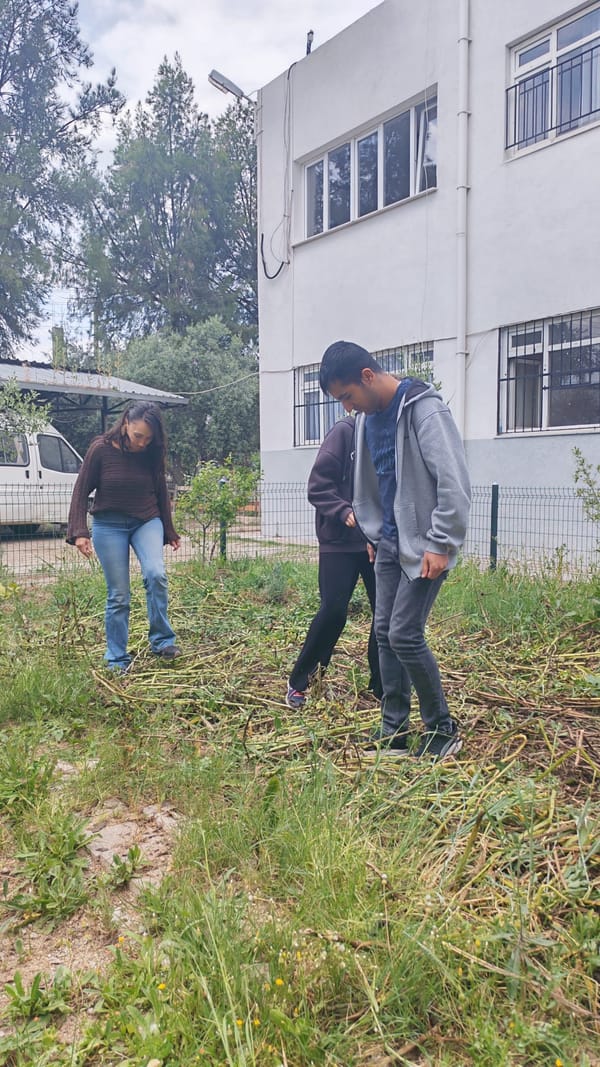
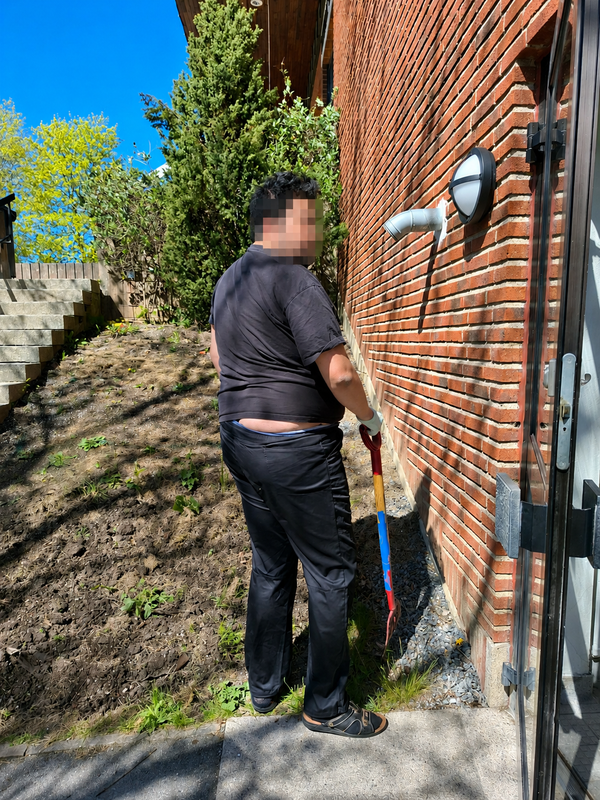
Konya-native Atacan is clearing the slope of weeds while simultaneously turning the soil.
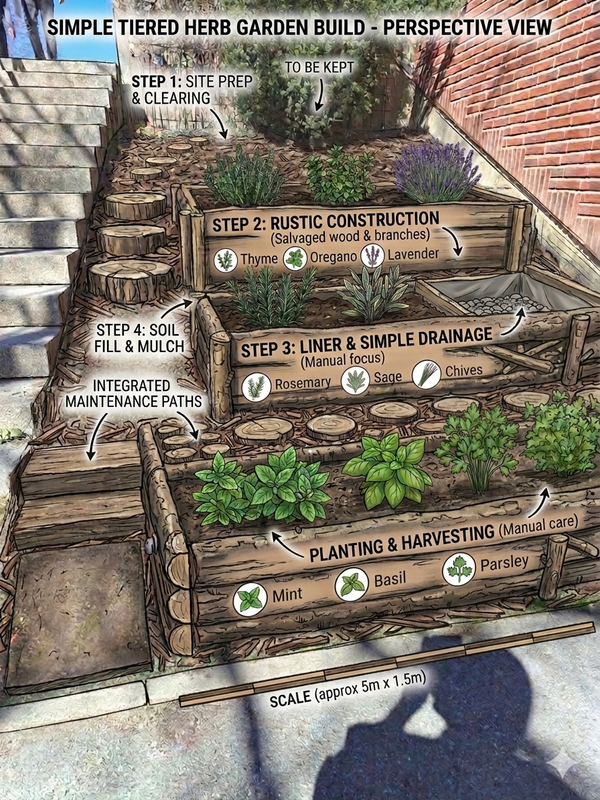
The map outlines a four-step land project on a sloped garden bed next to outdoor stairs, measuring approximately 5m x 1.5m. The design features rustic, multi-level planter boxes made from salvaged wood and branches, integrated log-slice maintenance paths, and a dedicated planting plan: Top Tier: Thyme, Oregano, and Lavender.
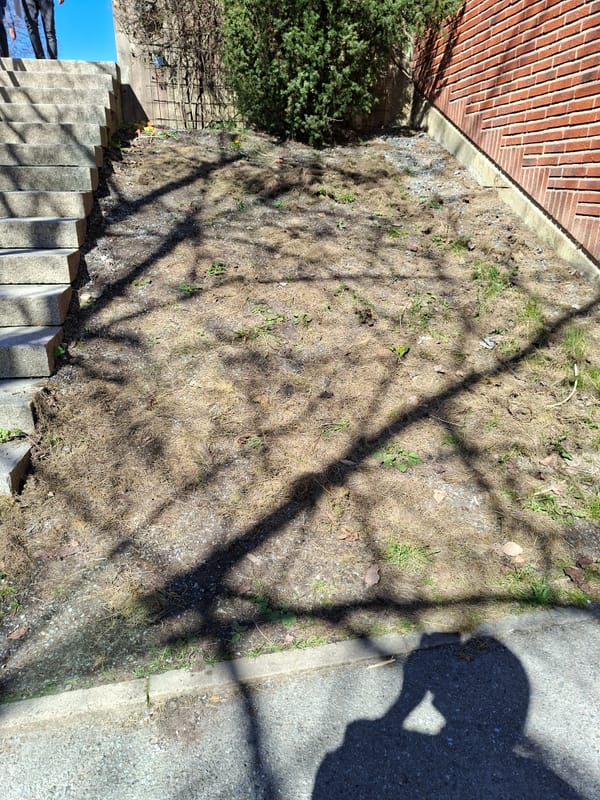
This steep slope is my next big project. We are transforming it into a tiered herb garden. Wood terraces will hold new soil. Different herbs will grow on every level. It will turn an empty hillside into a stunning feature. It makes a perfect green wall. A few of the
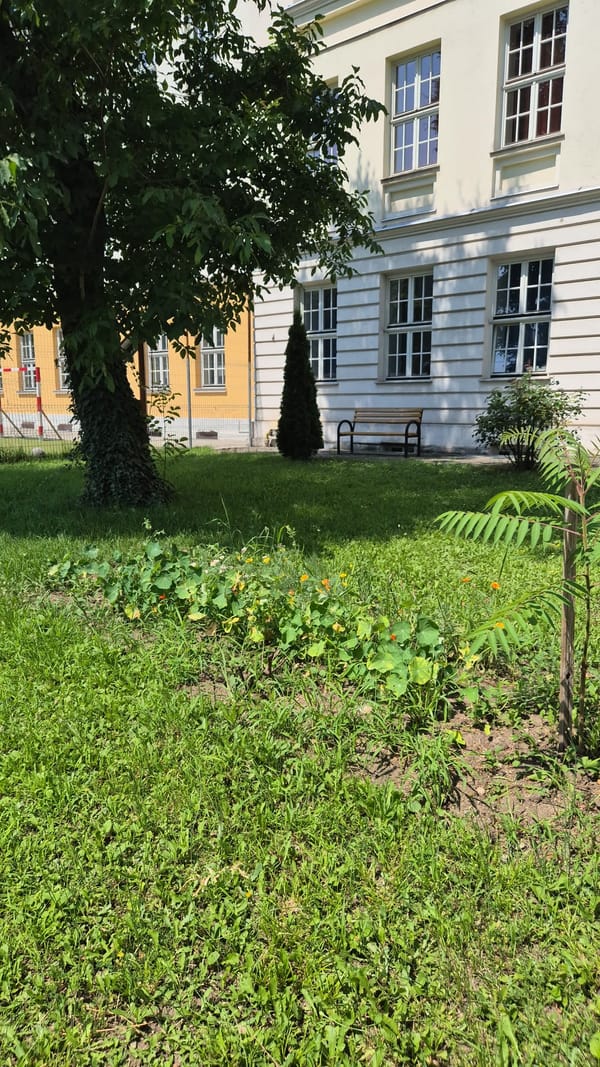
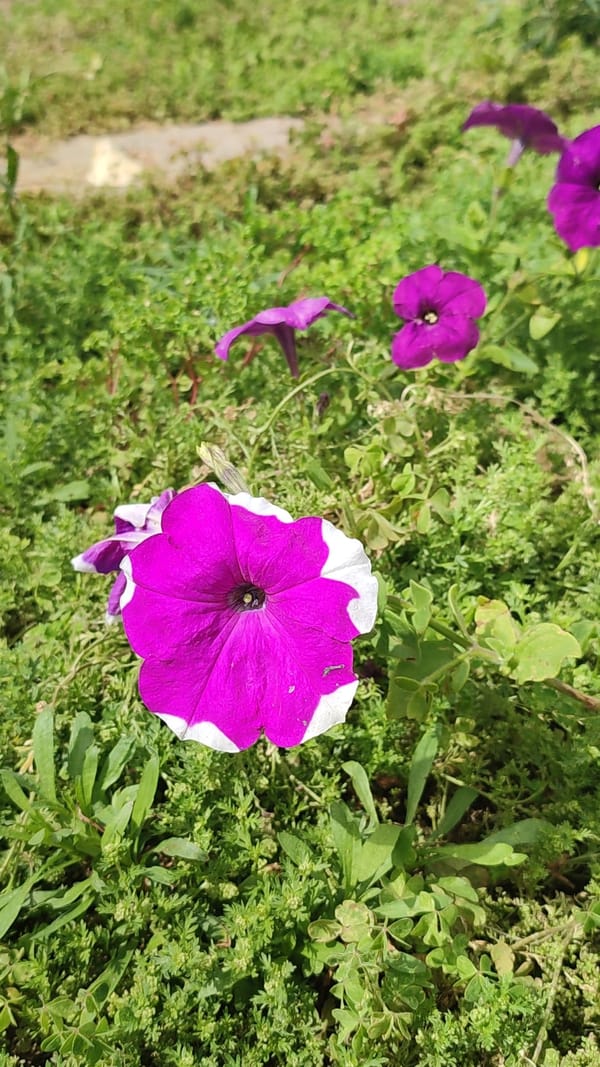
In this picture, we see a cultivated Petunia (with two-toned flowers) growing in a rich and living carpet of groundcover. This green carpet is made up of a variety of plants with different jobs: feathery leaves for shade, Sedum for toughness, clover to improve the soil (by adding nitrogen), and
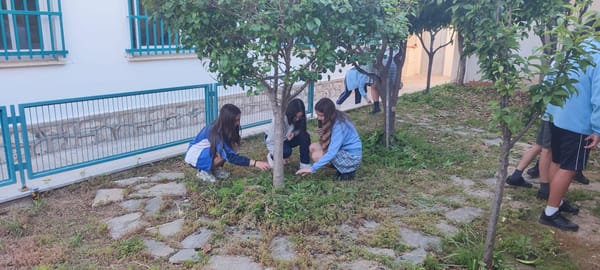
Three students are crouched around the base of a small tree, carefully tending to the soil and surrounding vegetation. The garden features a natural, diverse ground cover rather than a manicured lawn, which is typical for sustainable gardening. There are stone pathways and various young trees beginning to leaf out
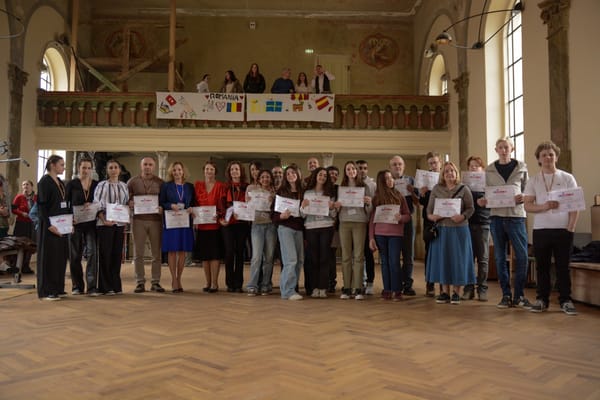
The 3rd Learning, Teaching, and Training event for the Erasmus+ project "Digital Detox through Permaculture Gardening" took place in Sibiu, Romania, from March 24 to March 27, 2026. Hosted by Colegiul Tehnic "Cibinium," the program brought together students and teachers from Sweden, Spain, Turkey, and Romania
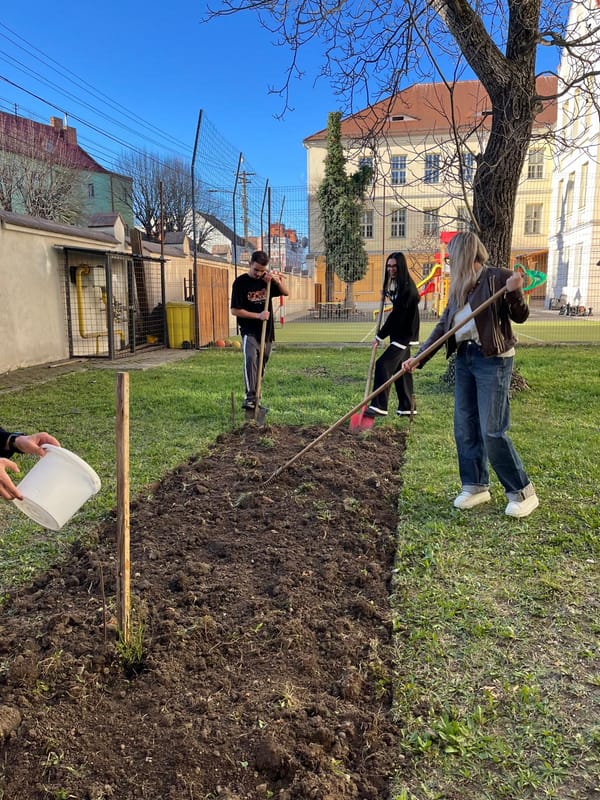
The Romanian students at Colegiul Tehnic "Cibinium" are replacing manicured grass with layered intent. In a few years, this patch of overturned earth won't just look different; it will be functional, self-supporting, and resilient. For now, it’s just them, the tools, and a very promising
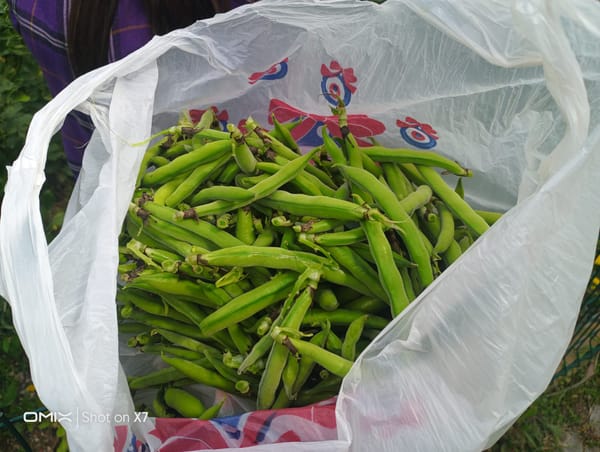
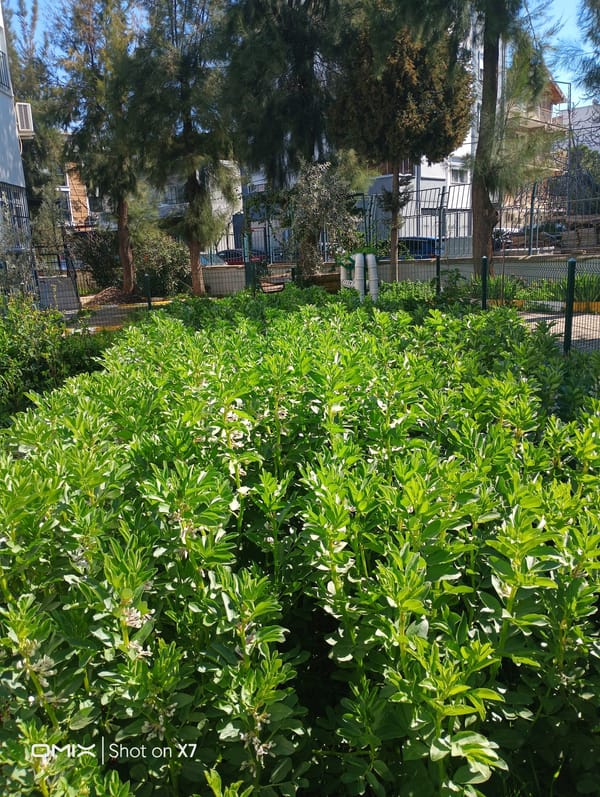
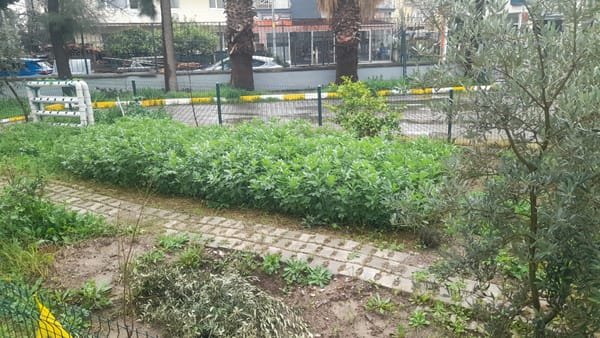
Broad beans (fava beans) are nitrogen-fixing plants, which means they can take nitrogen from the air and convert it into a form that improves the soil. They do this through a natural partnership with bacteria in small nodules on their roots. This process enriches the soil and reduces the need
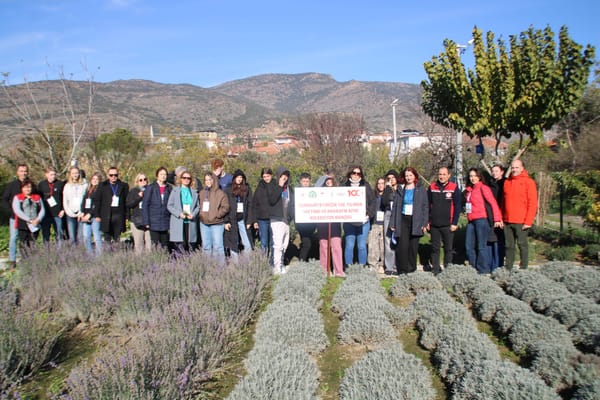
We visited an herb garden featuring approximately one hundred different aromatic plants. The garden was established to commemorate Türkiye’s 100th anniversary as a republic in 2023 and serves as both a cultural and educational space. During the visit, we also attended a short lecture on permaculture principles, delivered by
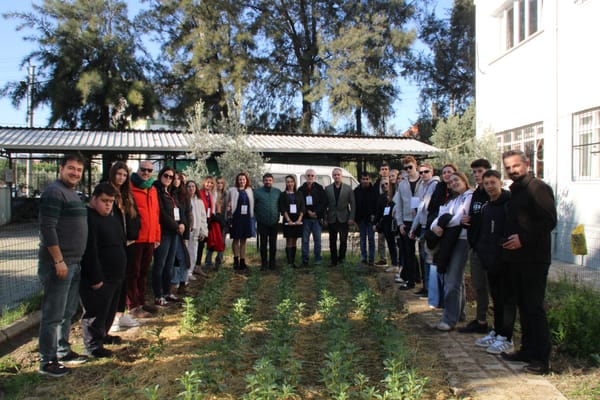
Both students and teachers were all ears as the agricultural engineer lectured on permaculture and the experiment initiated regarding nitrogen-fixing plants in their garden at the back of the school. Soil samples will be submitted to a laboratory for analysis.
The first day of the LTT-event, 15th of December 2025. Twelve eager students from Sweden, Spain and Romania posing on the stairs to main entrance of the hosting school.
Teaming up at the Botanical Garden, Stockholm University for inspiration.
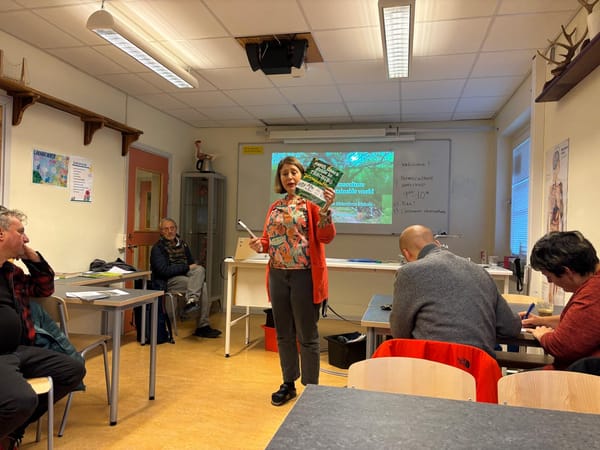
Lecture on permaculture gardening by science teacher Sara at Södertörns friskola.
Together with colleagues from Spain Romania and Turkiye after the lecture on the use of digital media and screen addiction by professor Lisa Thorell at the Department of Clinical Neuroscience, Karolinska Institutet, Solna.
A small garden design plan showing labeled planting areas with lavender, sage, echinacea, roses, and monarda around a central evergreen. A bench and trees frame the space, creating a calm, pollinator-friendly rest area.
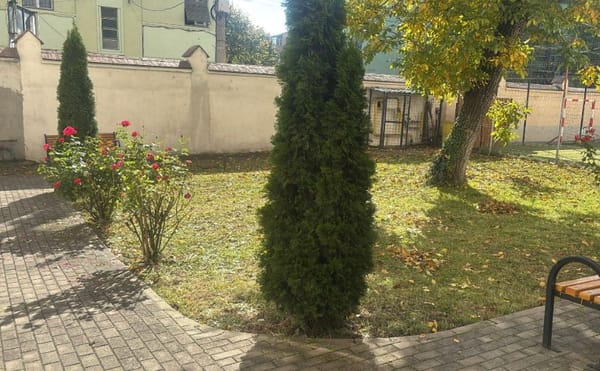
A small enclosed courtyard with a grassy area, paved walkway, and wooden bench. The space includes a few rose bushes, tall evergreens, and mature trees providing shade, creating a quiet and inviting outdoor corner.
Composting household waste is not recommended in an urban environment, as it can attract large numbers of mice and rats. However, near the school in Izmir, there are many stray cats that help keep these pests under control.
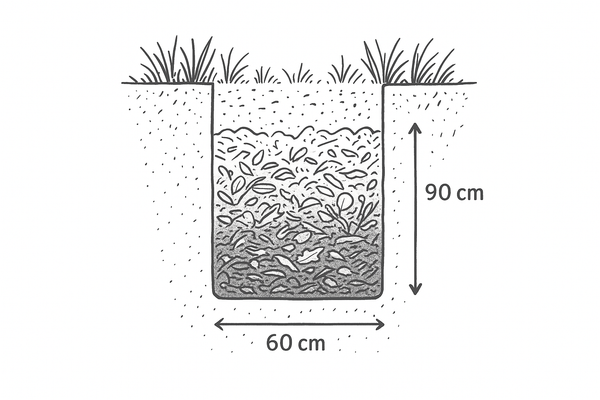
Question: How deep should a compost pit be? Answer: A compost pit should generally be about 60–90 cm deep. That depth is ideal because: It’s deep enough to hold a good volume of organic material and maintain warmth and moisture for decomposition. But not so deep that it
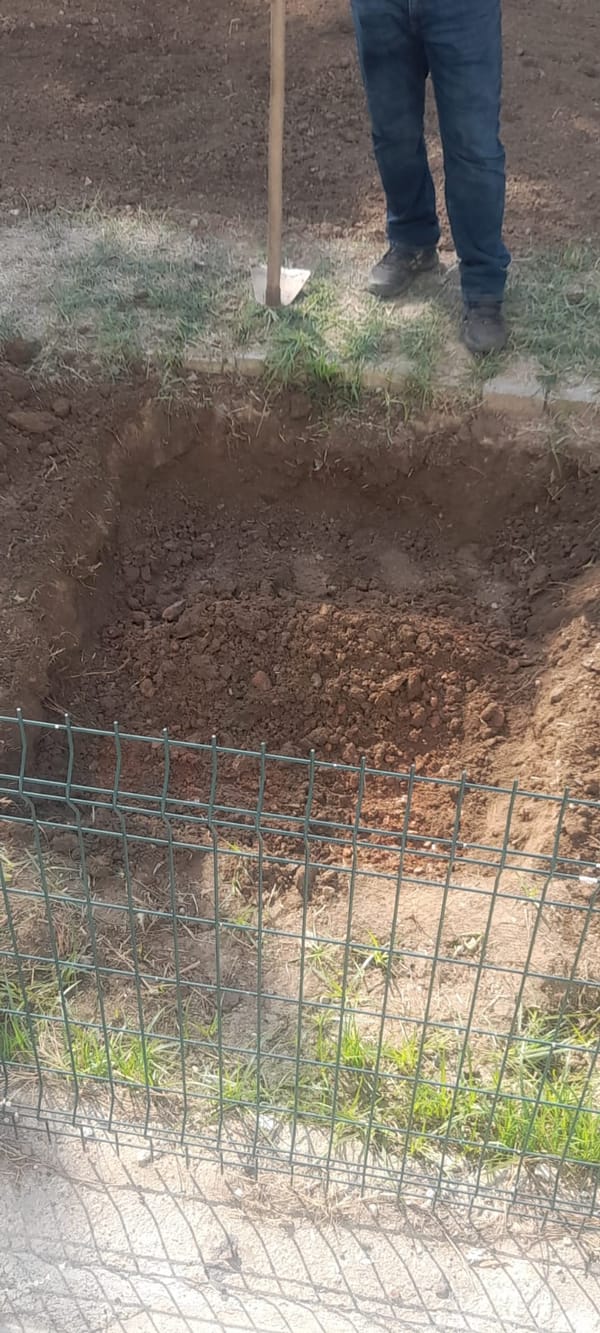
Our tree basins are made together by students and teachers. It’s a hands-on project where everyone takes part in shaping the garden.
You can generally use the same approach for making a basin and rim (watering ring) for orange trees as for olive trees, but with a few small but important adjustments depending on soil, water needs, and tree age. 🌿 Basic method (works for both) 1. Form a shallow basin around the
When constructing the raised flower bed, I simplified the usual layering process by omitting some of the intermediate layers. Instead, I placed hay at the bottom to promote aeration and moisture retention, followed by a layer of comfrey to provide nutrients, and then topped the bed with soil. The photo
The plan for a tiny perennial flower bed by the rabbit hutch.
A sketch of an urban Mediterranean garden behind a school in Valencia. The illustration shows raised beds filled with vegetables and herbs, young fruit trees along the borders, and potted plants making use of limited space. Stone paths and tiled corners reflect the courtyard setting, while a trellis and wall
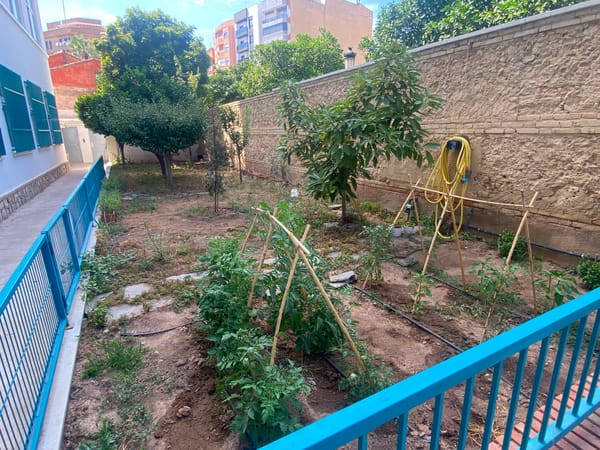
This inner-city schoolgarden faces several challenges: the soil is compacted and dry, shade and sunlight are uneven due to surrounding walls and buildings, and the narrow layout limits planting options. Existing fruit trees create competition for resources, while irrigation appears uneven. Hard surfaces add reflected heat, and the urban setting
Project 2025-1-SE01-KA210-SCH-000356308