At the Botanical Garden, Stockholm
Teaming up at the Botanical Garden, Stockholm University for inspiration.
Teaming up at the Botanical Garden, Stockholm University for inspiration.
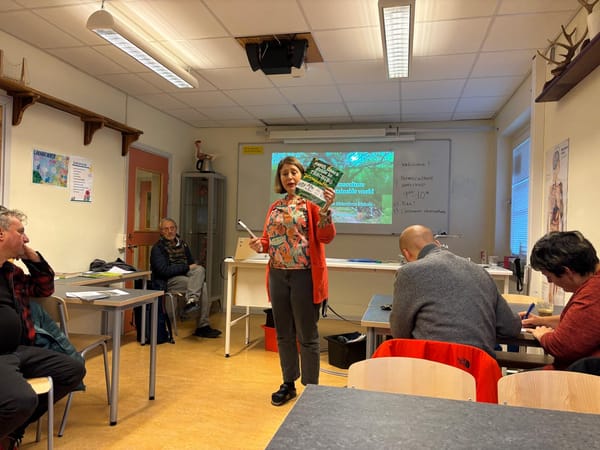
Lecture on permaculture gardening by science teacher Sara at Södertörns friskola.

Together with colleagues from Spain Romania and Turkiye after the lecture on the use of digital media and screen addiction by professor Lisa Thorell at the Department of Clinical Neuroscience, Karolinska Institutet, Solna.
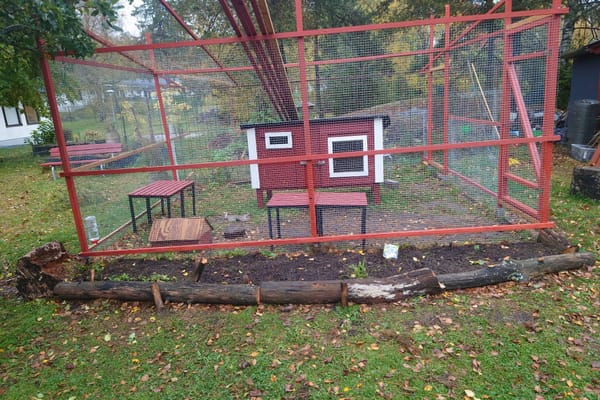
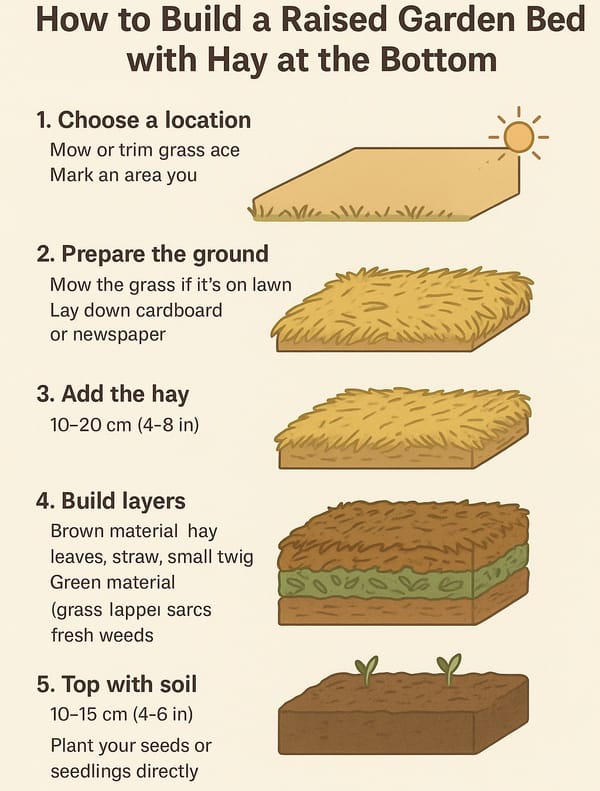
When constructing the raised flower bed, I simplified the usual layering process by omitting some of the intermediate layers. Instead, I placed hay at the bottom to promote aeration and moisture retention, followed by a layer of comfrey to provide nutrients, and then topped the bed with soil. The photo
The plan for a tiny perennial flower bed by the rabbit hutch.
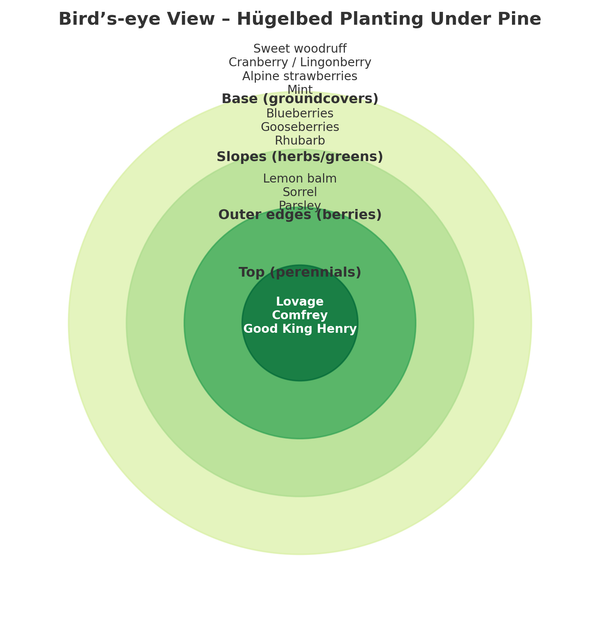
Falling needles from the Pine tree on the raised bed might be a bigger challenge than I thought.
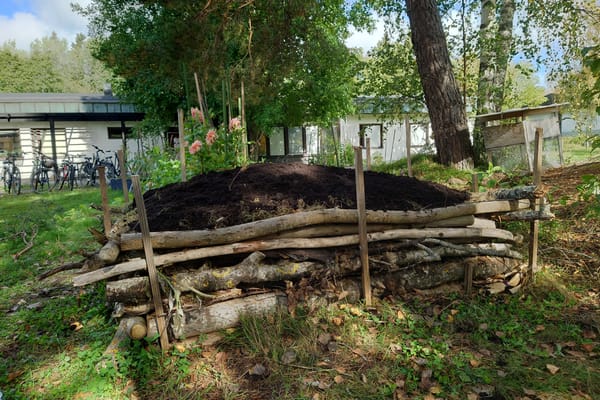
Hügelbed completed.The hügel structure gives you some advantages: better drainage, extra organic matter, and some retained moisture deeper in the mound, which is paramount to the challenge of growing anything beneath a pine tree.
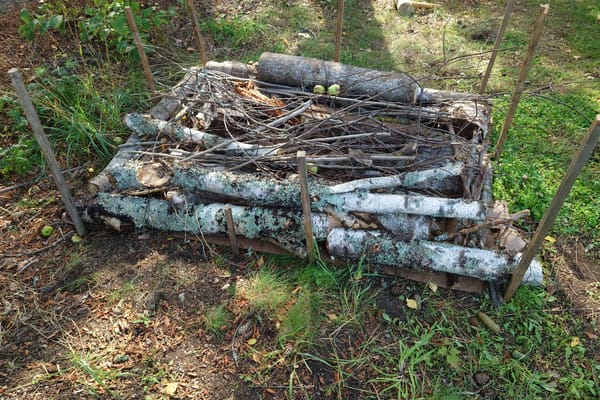
Following the instructions from the Hügel Bed post. First logs, then branches, leaves, green waste, compost and soil on top.
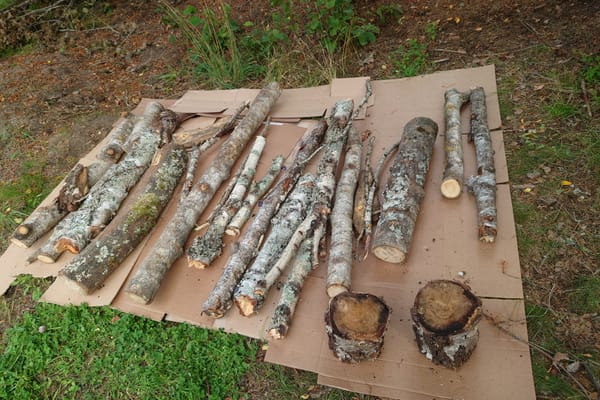
Why a cardboard? It is called a no-dig method. Initially it will cover the ground and the weed growing there. Eventually the cardboard is going to decompose.
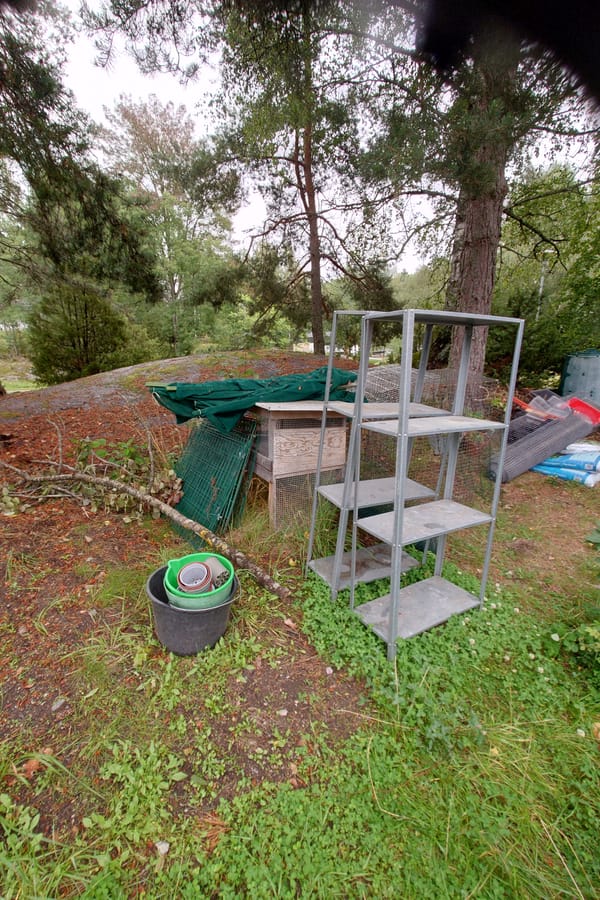
🌲Vegetables rarely thrive beneath large pines. 🌲Heavy shade blocks the sun. 🌲Roots steal water and nutrients. 🌲Pine needles make the soil more acidic. 🌲Better suited for acid-loving plants like blueberries or certain herbs. All above is true and the challenge is to grow vegetables and herbs beneath a large pinetree.